
MILAN, ITALY — At a time when global downturns continue to shape society and the economy at an accelerating pace, the arts serve as a welcome respite. In Milan, a sense of poignancy mixed with a desire for lightness infused this season’s collections—most notably those of Giorgio Armani, the Italian designer who passed away earlier this month.
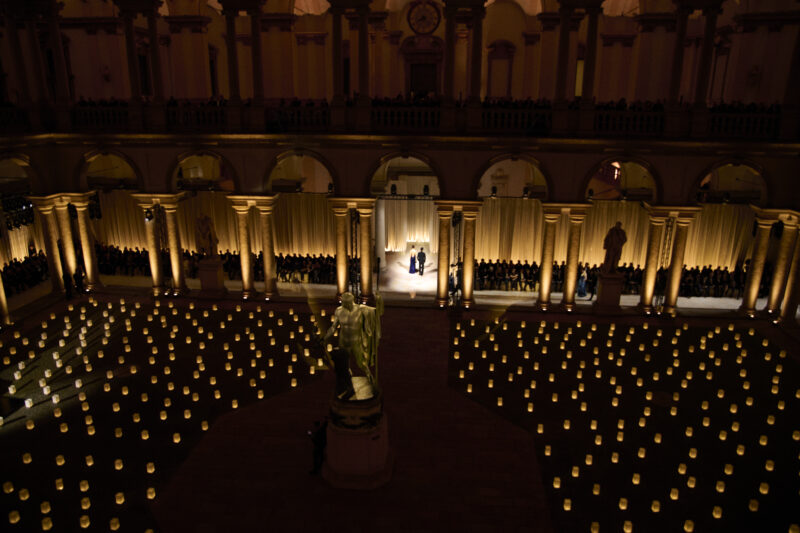
Giorgio Armani SS26. Photograph: Ryan McGingley
For the Spring/ Summer 2026 show, the runway was accompanied by the music of famed pianist Ludovico Einaudi, staged at Palazzo Brera in an event that closed Milan Fashion Week. It acted both as a celebration of the company’s 50th anniversary—already marked earlier this year with the launch of a new men’s collection—and as a farewell to the designer.
The show, the last Mr. Armani worked on, also introduced ARMANI/Archivio and inaugurated the exhibition Giorgio Armani: Milano, Per Amore at the Pinacoteca di Brera on September 24. There, 133 archival creations were displayed alongside Italian artworks, offering a glimpse into the evolution of Armani’s vision. In the front row sat Cate Blanchett, Glenn Close, Lauren Hutton, Richard Gere, and others.
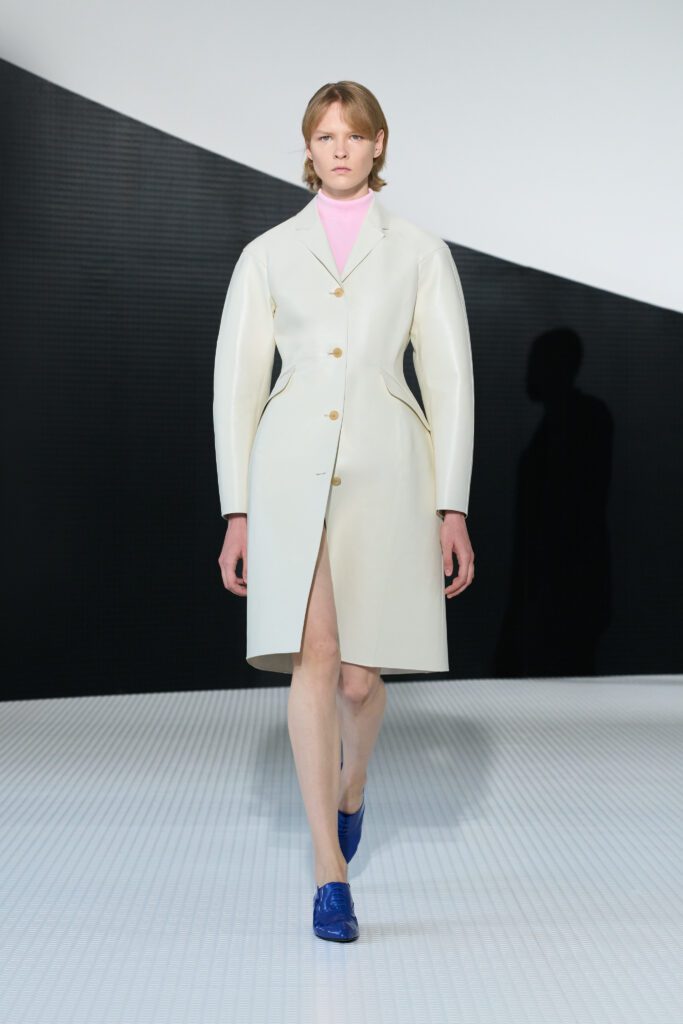
Jil Sander SS26
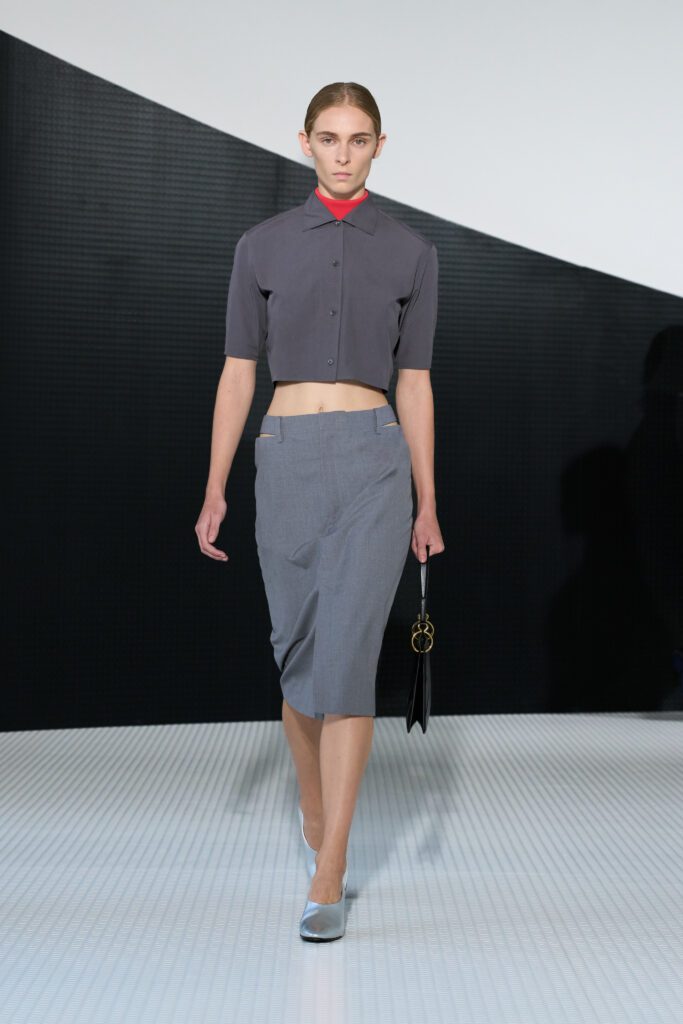
Jil Sander SS26
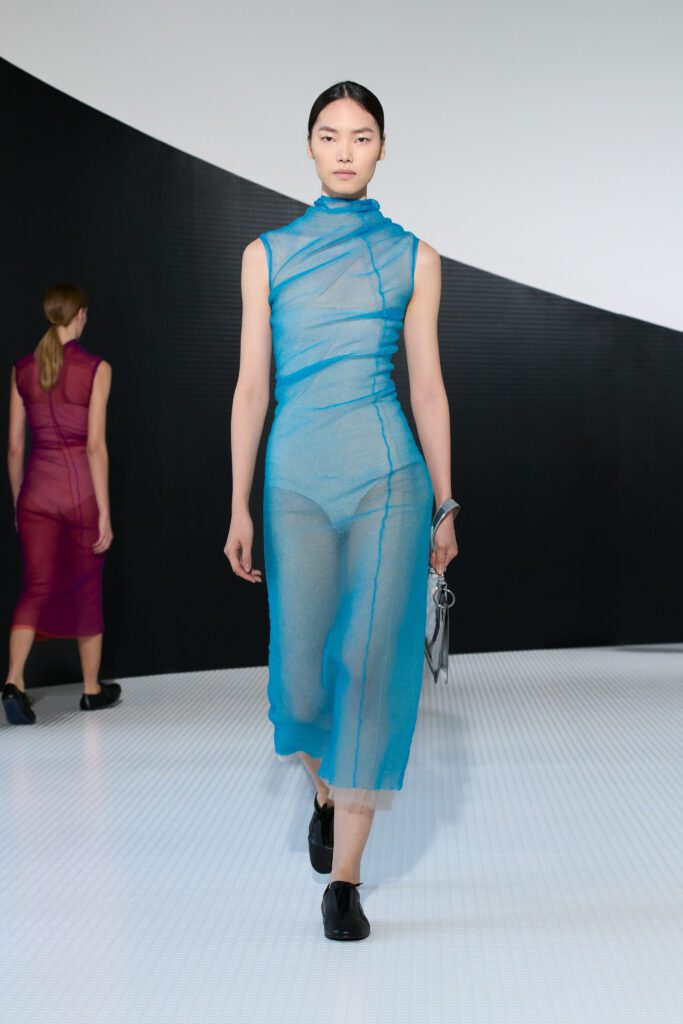
Jil Sander SS26
At Jil Sander, the collection turned to the roots, exploring purity as a method rather than a limitation—a tightly edited expression of contrasts. Tension and calm, straight lines and torsions played in counterpoint through somber neutrals, dusty pastels, and vibrant hues. Textures added a tactile element to the discourse. The mirroring of menswear and womenswear was constant, animated by meticulous craftsmanship and obsessive attention to detail. Silhouettes remained rationally concise, with high buttoning occasionally disrupted by folds and raw hems.
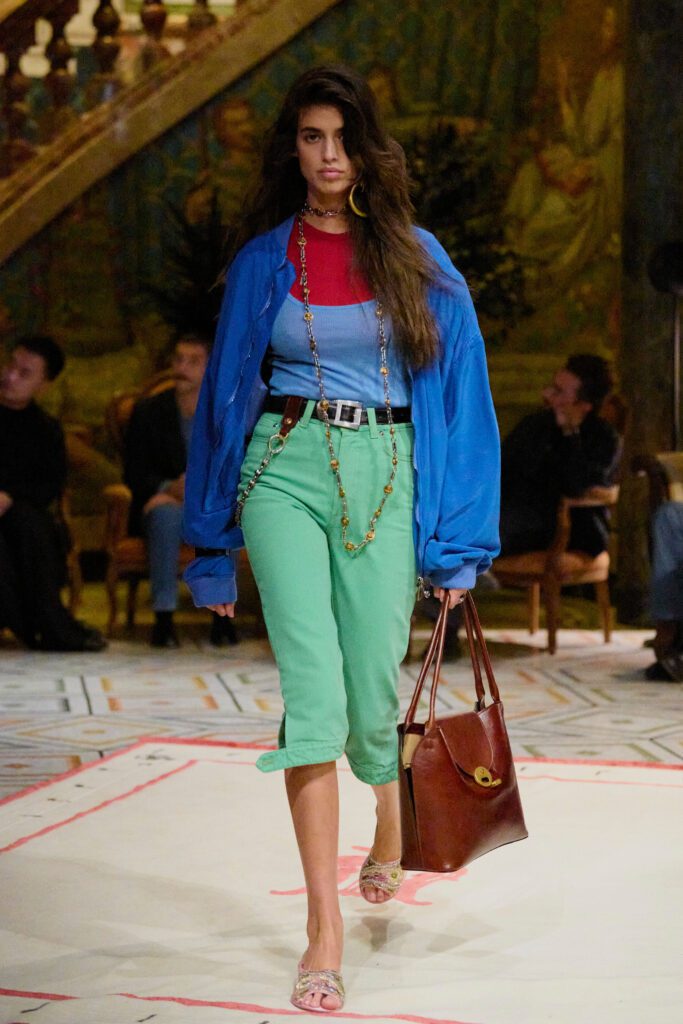
Versace SS26
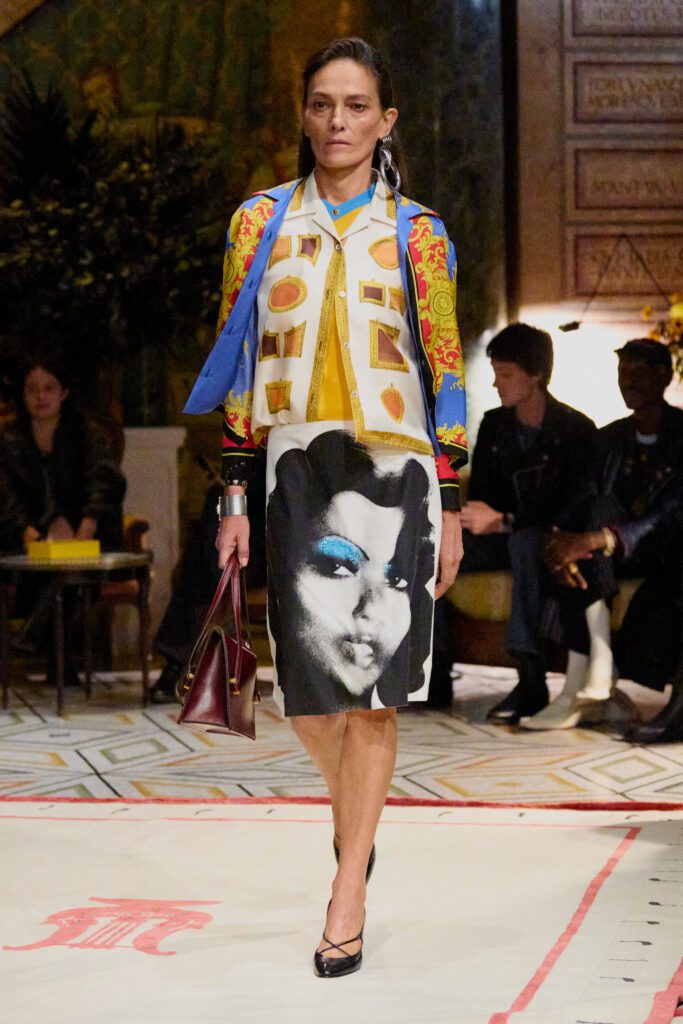
Versace SS26
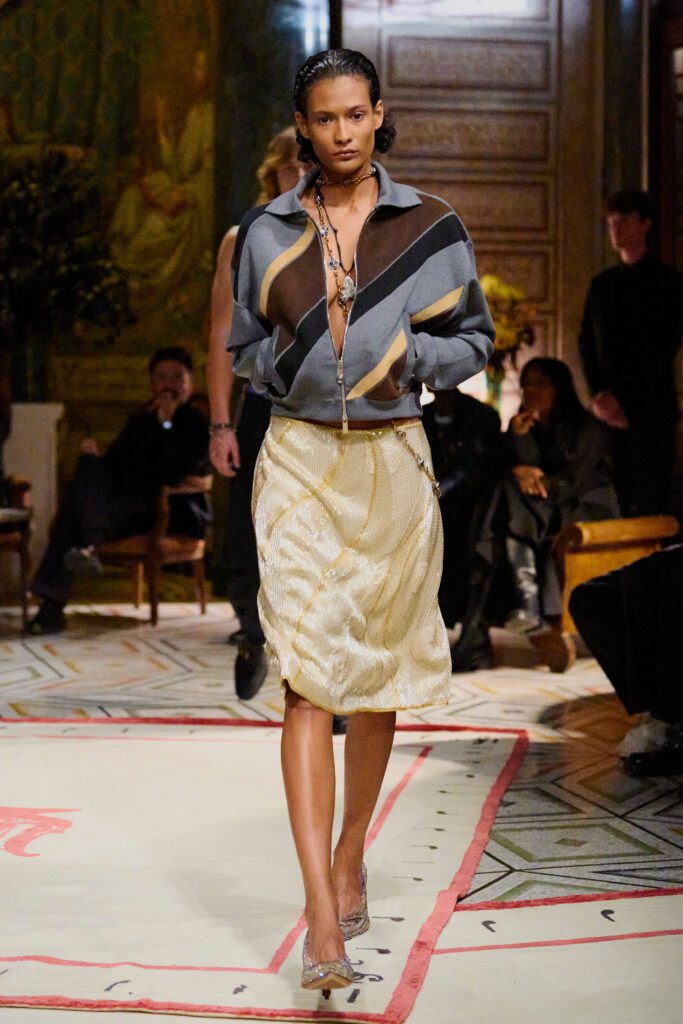
Versace SS26
At Versace, newly appointed creative director Dario Vitale shook the foundations of the House. The collection began with the archive but reached beyond clothing, connecting with a feeling, an attitude, a way of being. Letters, photographs, ephemera, and art unlocked gesture and sensibility.
Staged in the intimate chambers of the Pinacoteca Ambrosiana—a former private residence housing an eclectic collection of masterpieces—the show materialised the brand’s deepest foundations. The archive’s essence, never knowable through mere study, was embodied on the runway. Unrestrained by inhibition and indulging in tactile pleasures, Vitale bridged Italian elegance with bold irreverence.
Emerging designers also made a strong impression. Pierre-Louis Mascia, Onitsuka Tiger, Institution, and Francesco Murano each expanded tailoring into new territories.
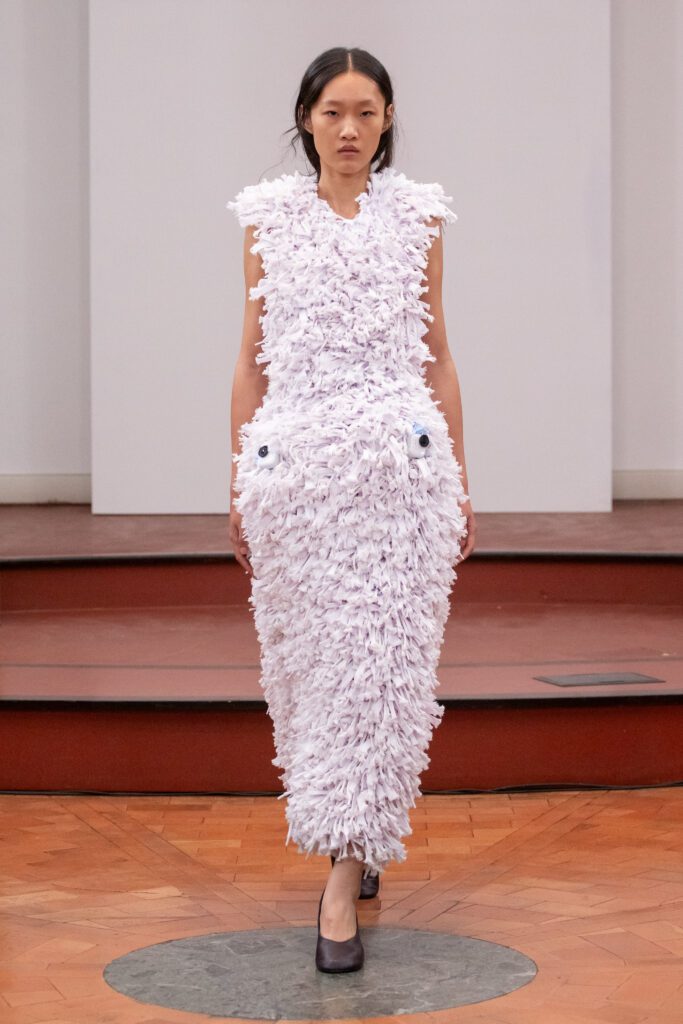
Institution SS26
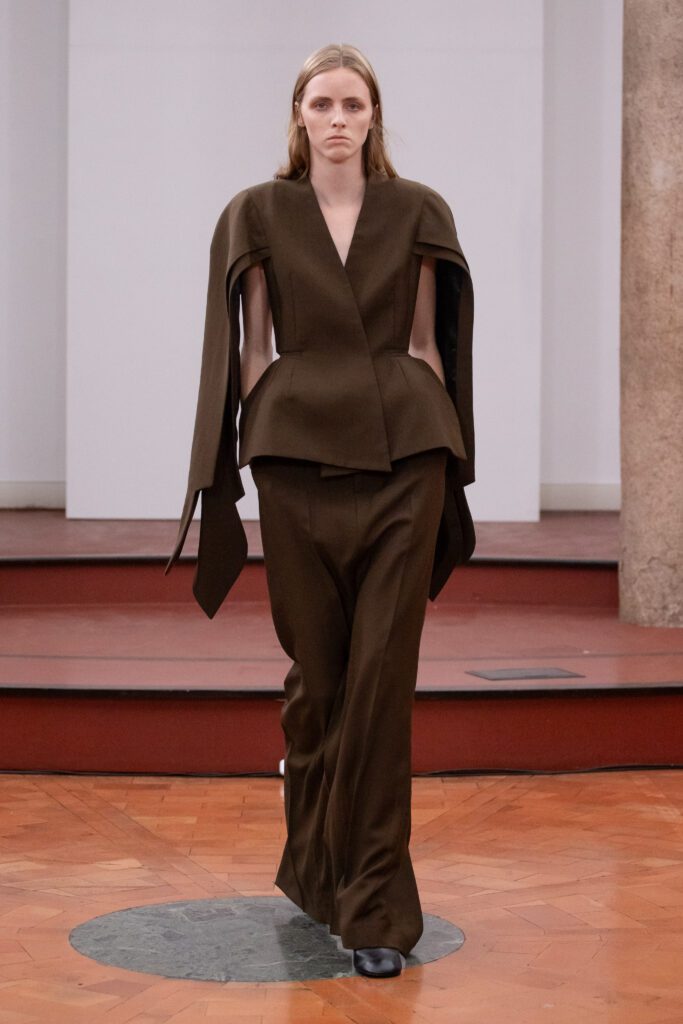
Institution SS26
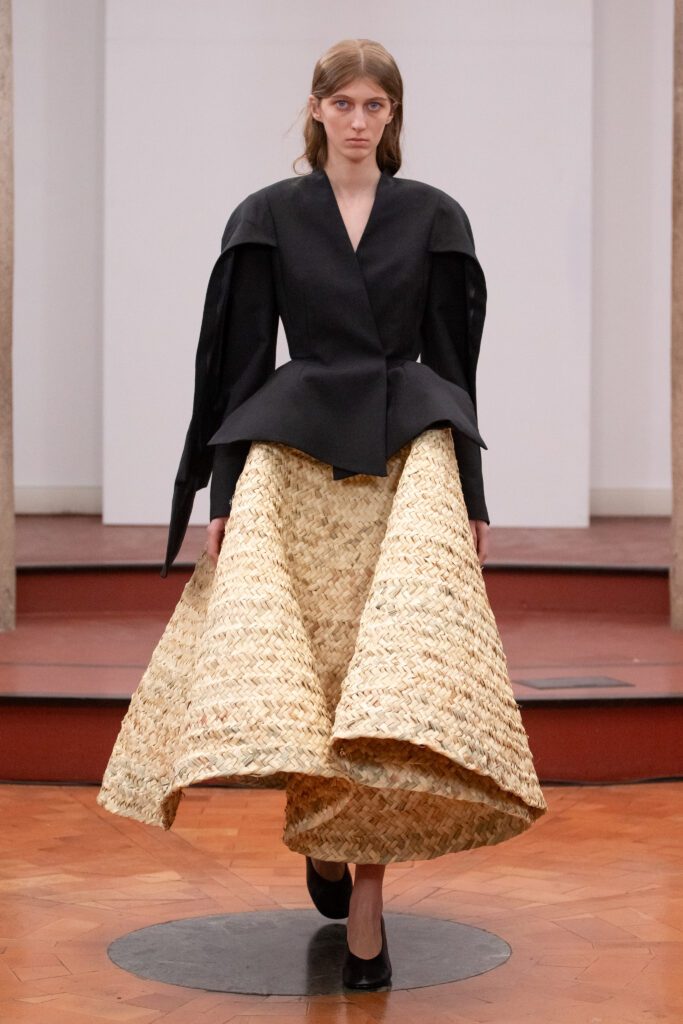
Institution SS26
Pierre-Louis Mascia’s SS26 collection drew from the theatre—its illusions, truths, and rhythms of life as spectacle: fragile, intense, implacable. Inspired by the 1945 French film Les Enfants du paradis, draped fabrics seemed to emerge from an attic, dusty yet precious, like fragments of memory telling forgotten stories. Light weaves, trompe-l’œil effects, overlays, and pleats suspended the collection between illusion and reality. Silk reigned supreme, expressed through 18 original prints that once again showcased Mascia’s mastery of mixing motifs, colours, and juxtapositions.
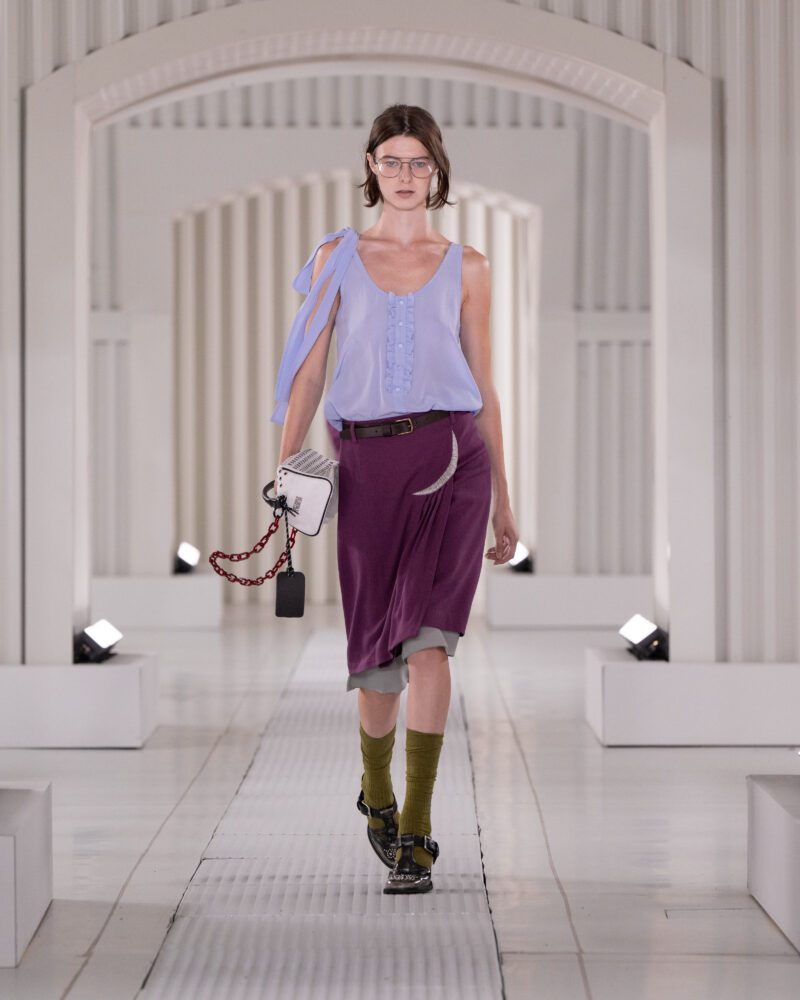
Onitsuka Tiger SS26
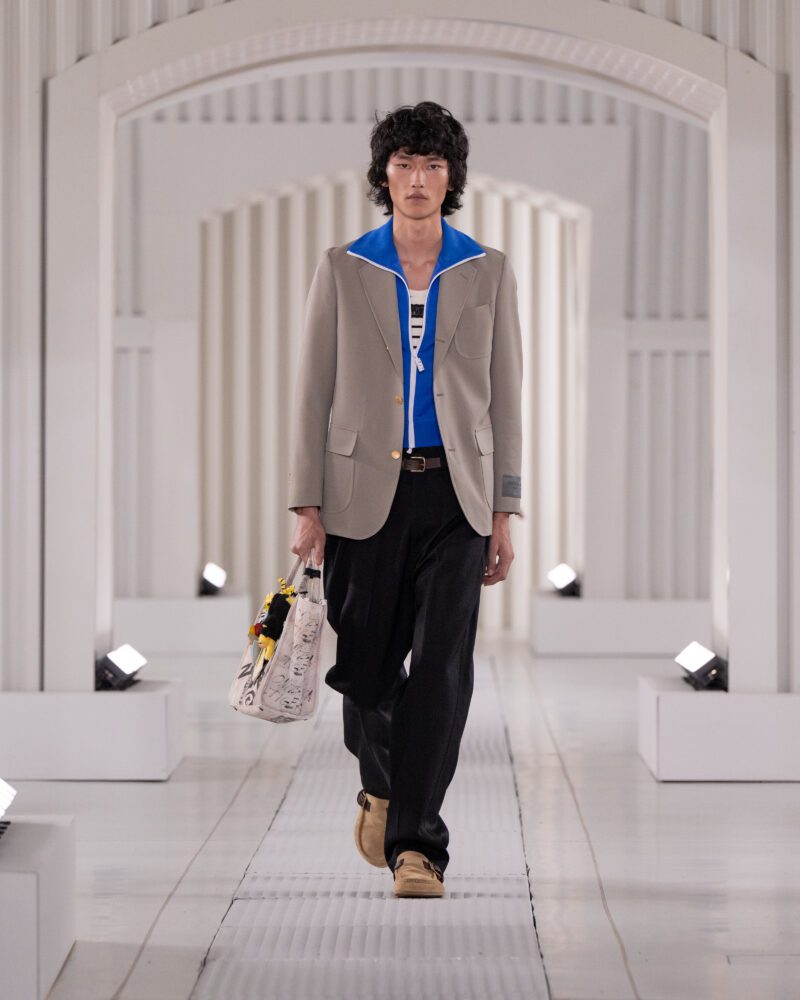
Onitsuka Tiger SS26
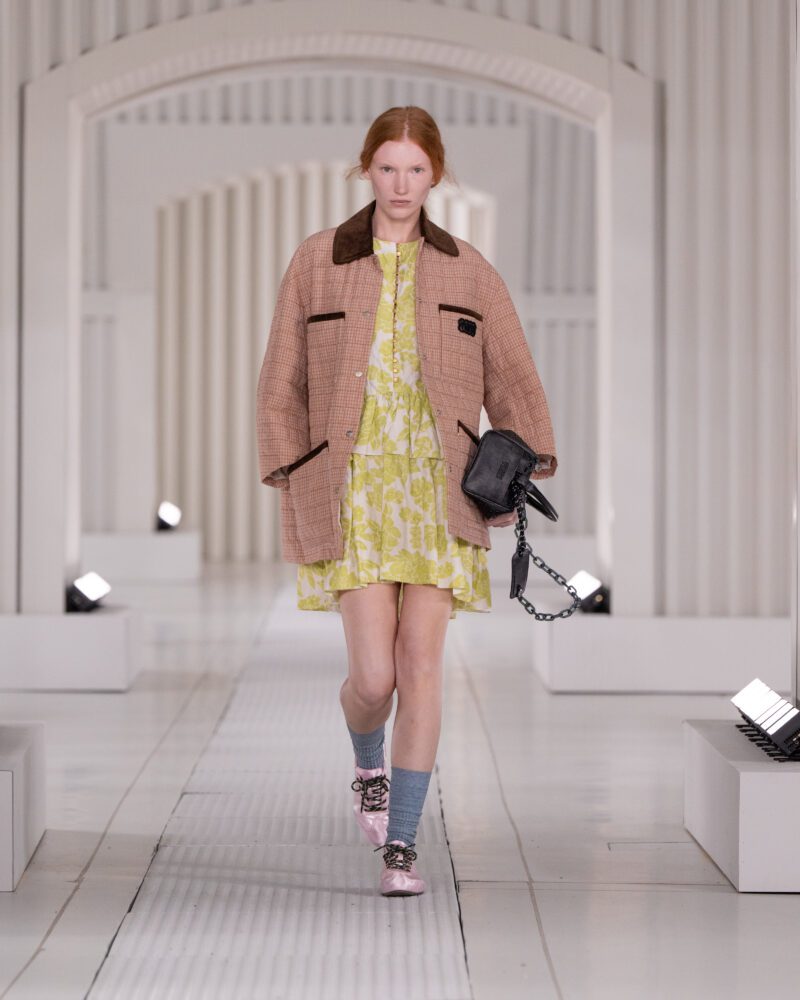
Onitsuka Tiger SS26
Onitsuka Tiger embraced the theme Urban Fantasy. Fashion here was not just clothing but a medium of self-expression, likened to stepping out of an Asian metropolis’s shade and feeling the sun on the skin. Inspired by the fleeting energy between cityscape and sunlight, the brand imagined a fashion fantasy: crinkled shirts and dresses with a vintage spirit, bodysuit-dresses layered over voluminous culottes, and crisp fabrics reshaped into parkas, cropped trucker jackets, and razor-sharp tailoring. Leather appeared in oversized biker jackets and mini skirts with bold zippers.
Pierre-Louis Mascia also introduced tailored jackets inspired by the Chepken, a traditional women’s vest. Cut from wool and bouclé, the pieces referenced both heritage and artisanal tailoring. Women’s communities in Azerbaijan’s Masallı and Lankaran districts contributed to the final development, grounding the collection in living tradition.
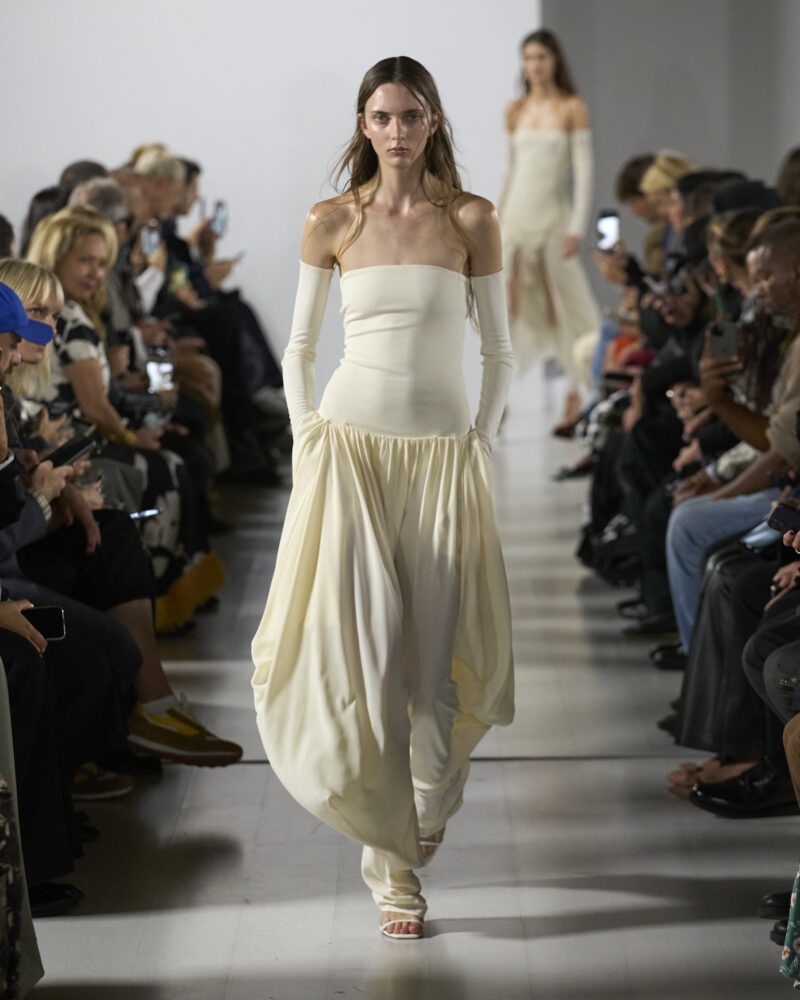
Francesco Murano SS26

Francesco Murano SS26
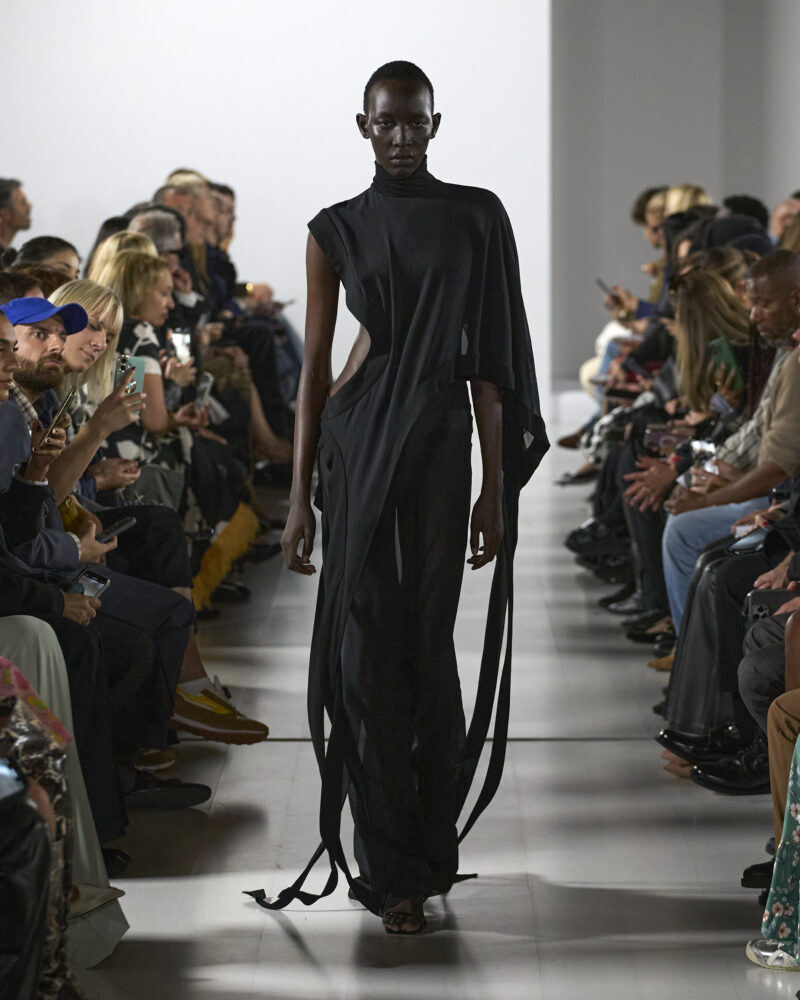
Francesco Murano SS26
Finally, Francesco Murano explored movement as resistance to stasis. His collection, Kinesis, studied the relationship between body, clothing, and space—garments amplifying gestures and entering into dialogue with their environment. Inspired by futurist artists Giacomo Balla and Umberto Boccioni, as well as Étienne-Jules Marey’s chronophotographs, the pieces recorded movement and transformed it into form. Volumes, lines, and cuts became dynamic tools, dressing not just the body but the body in motion.